Author: Karen Mercereau

the future of Parkinsons detection

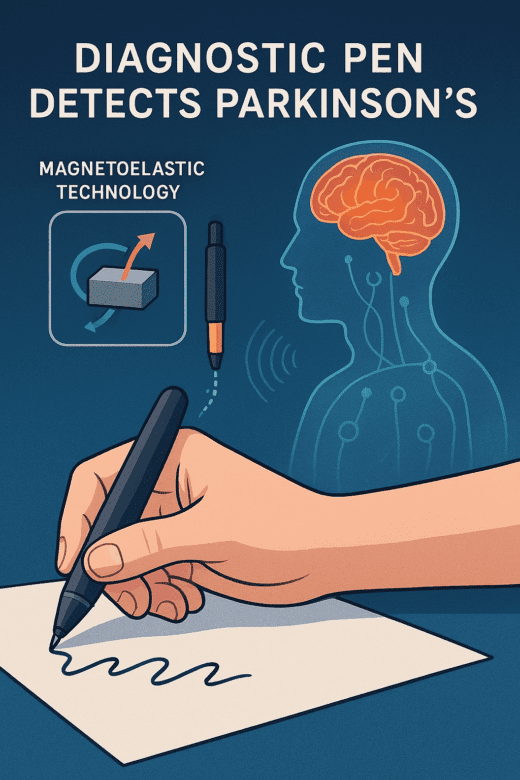
The surprising ways Parkinson’s can now be spotted years early

A wave of new breakthrough tech could detect the disease years – even decades – before major symptoms strike October 05, 2025 Parkinson’s is the fastest-growing neurological condition in the US, with 90,000 people now diagnosed every year alone – a 50 per cent jump since the mid-1980s. The picture is similar worldwide: a staggering 25 million people are expected to be diagnosed by 2050, more than double today’s figures. In short, it’s a big problem.  Armed with cutting-edge new...
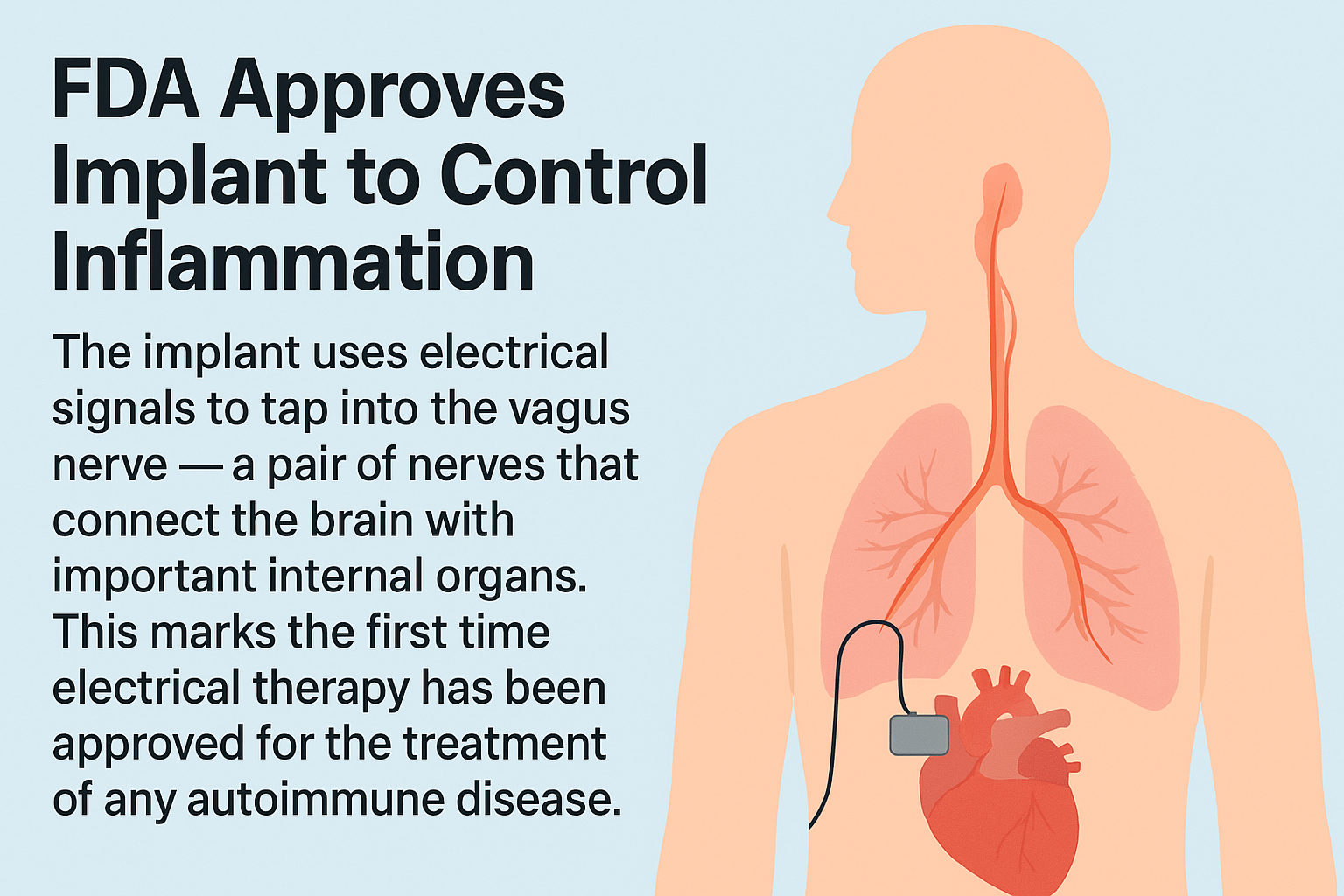
a web-friendly image illustrating the FDA's groundbreaking approval of a vagus nerve implant for autoimmune disease treatment.

New, Implanted Device Could Offer a Long-Elusive, Drug-Free Treatment for Rheumatoid Arthritis

The FDA just approved the SetPoint System, which electrically stimulates the vagus nerve to control inflammation from the chronic disease. For years, rheumatoid arthritis (RA)—an autoimmune disease that causes inflammation—has often been resistant to treatment. About 1.5 million Americans have the chronic condition, which commonly leads to joint stiffness and pain. So far, to treat the disease, patients have been forced to rely on expensive immunosuppressant drugs that leave them at a higher risk for infections. In late July, the United States Food and...

Golf-Course-Poison-Parkinsons

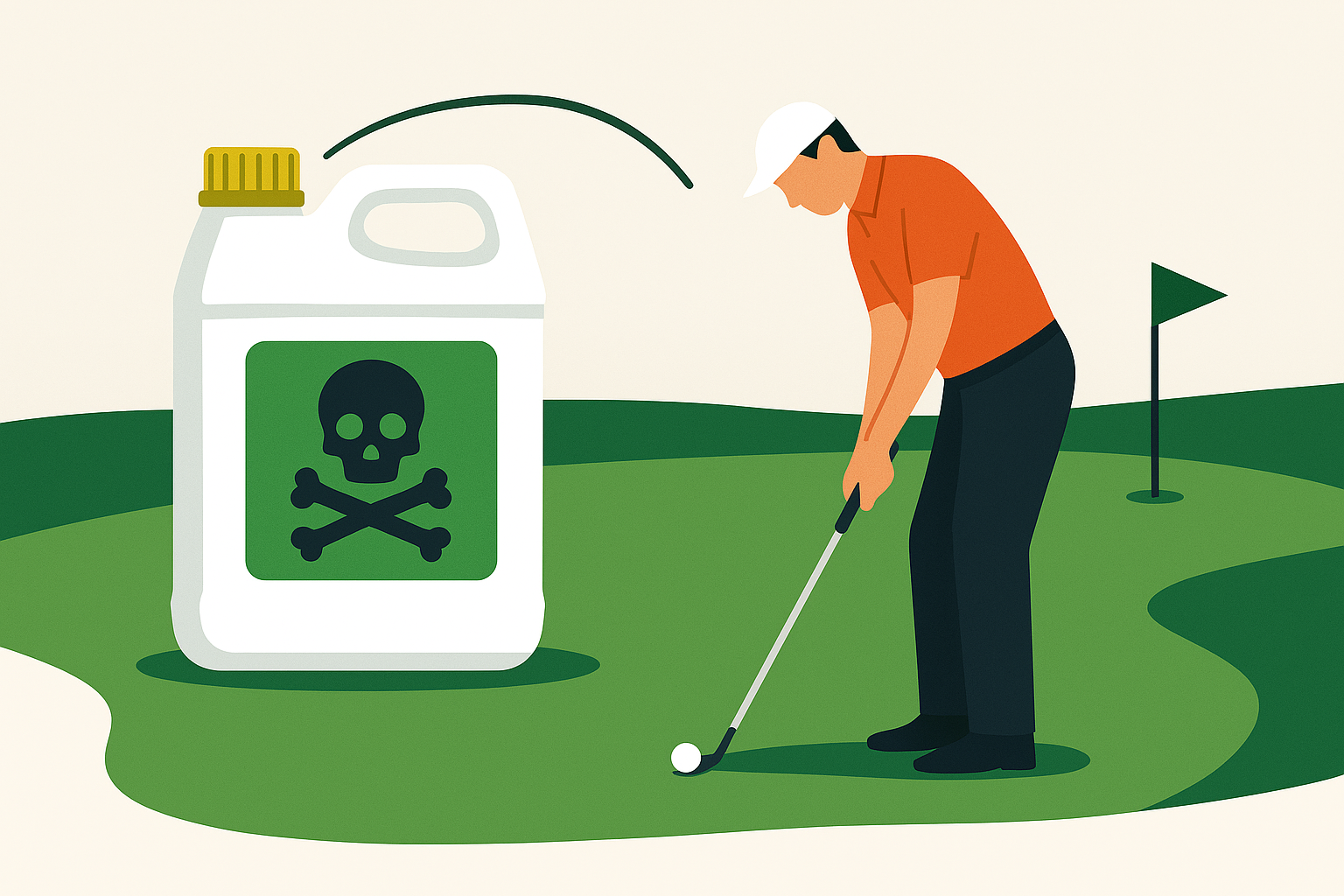
Why living near a golf course could double your Parkinson’s risk

You know how valuable land near a golf course can be.  Well, turns out there is also a downside. Living near a golf course might improve your access to greenery, but all that grass has a dark side.  To ask about the health benefits of moving nearer a golf course has the whiff of someone desperately trying to use scientific research to convince their partner that living next to a golf course is a good idea. Think about all of this...

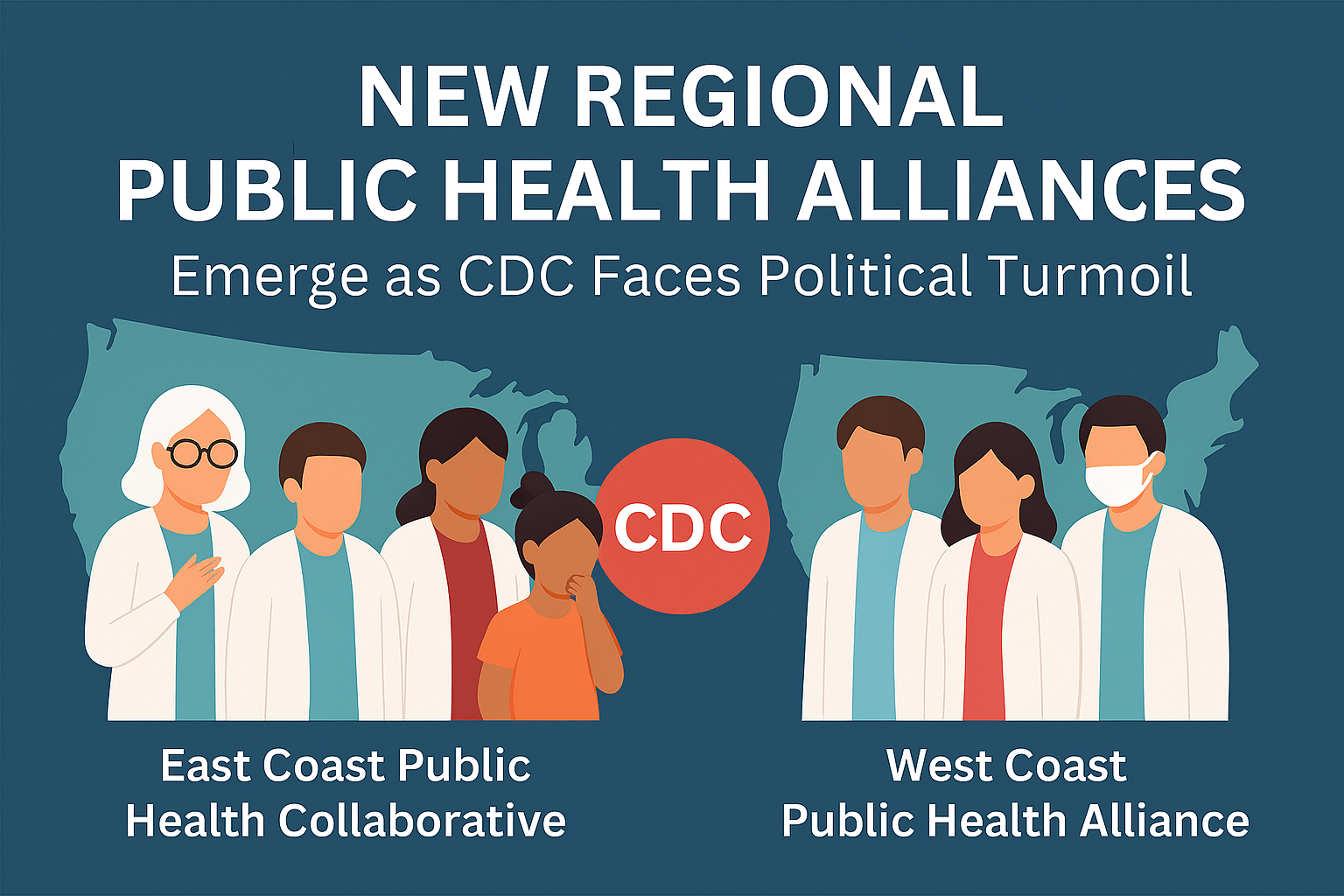
Public Health Reimagined: States Launch Collaborative Efforts Amid Federal Uncertainty

California, New York & More Form Coalitions to Defend Evidence-Based Medicine

With the overwhelming changes in HHS and CDC politically driven, it is heartening to know that creative medical organizations are beginning in this country.  One is called The Northeast Public Health Collaborative and includes New Jersey, New York, Pennsylvania, Massachusetts, Connecticut, Maine, Rhode Island, Delaware and Vermont along with New York City. https://www.nyc.gov/site/doh/about/press/pr2025/announce-northeast-public-health-collaborative.page There is also a similar program being developed on the West Coast: California, Oregon and Washington launched it this month to uphold scientific integrity in public health....

Protecting seniors and children from Norovirus

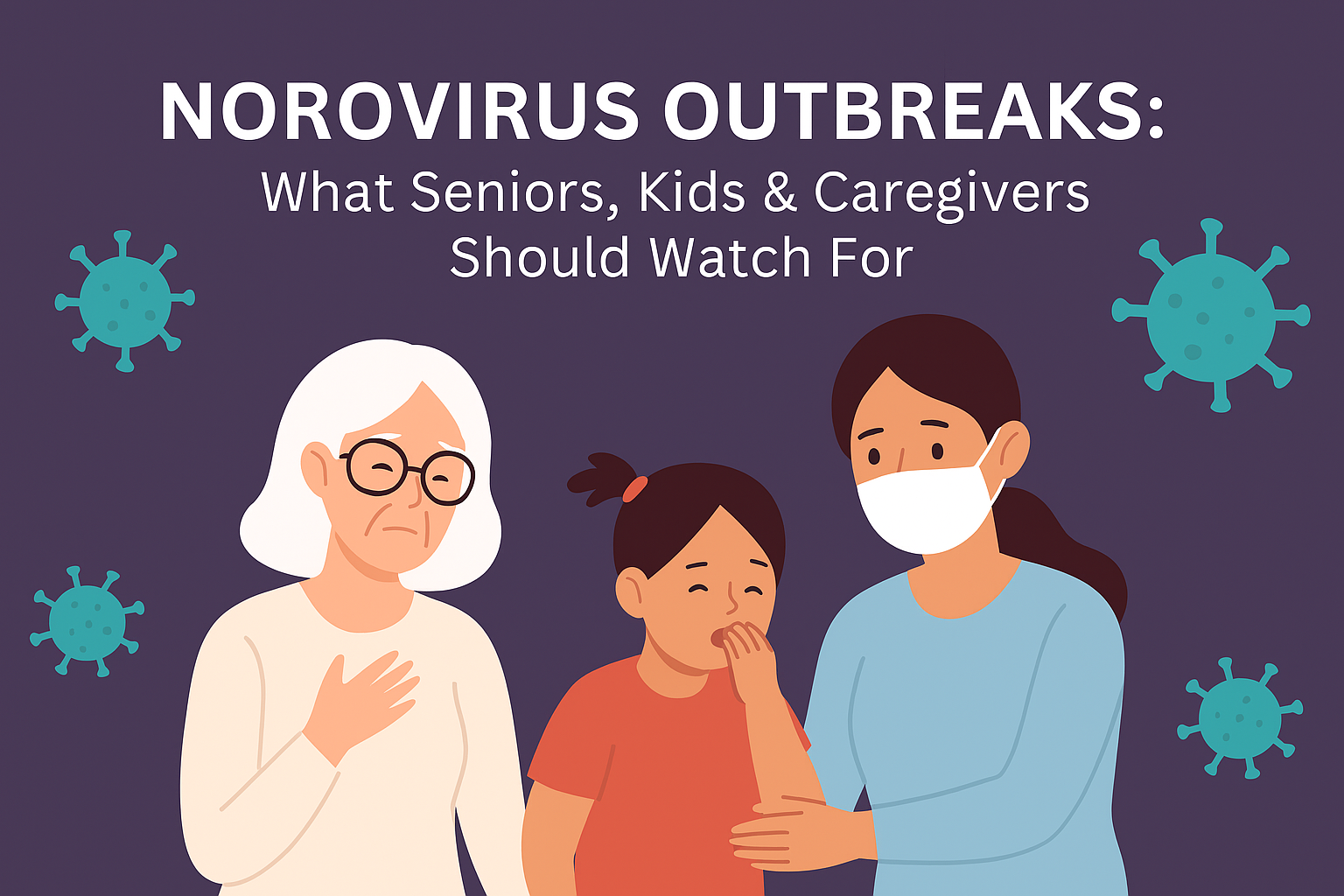
Norovirus Outbreaks: What Seniors, Kids & Caregivers Should Watch For

We may be hearing more about Norovirus which is highly contagious.  It is most common in the US during late fall, winter, and early spring.  It can cause severe vomiting and diarrhea.  Symptoms typically last 1-3 days and people can recover without treatment.  More at risk are the elderly, young children and people with other medical conditions.  The Mayo Clinic has an excellent article:  https://www.mayoclinic.org/diseases-conditions/norovirus/symptoms-causes/syc-20355296

health harms of “forever chemicals

Ingredient Red Flags: How To Spot The Chemicals To Avoid In Food, Kitchenware And Cosmetics

  Example:  cosmetics:  Phthalates; Parabens; Fragrance; Formaldehyde; Oxybenzone;    Foods: Artificial Sweeteners; HFCA (high fructose corn syrup); Emulsifiers (Widely used to improve the texture and shelf life of packaged foods, emulsifiers have “been shown (in animal studies) to cause gut inflammation and glucose intolerance, and many worsen intestinal diseases like ulcerative colitis”); Nitrites; Artificial Food Dyes;  Transfats There is a great deal of helpful information in the following article:  https://www.theguardian.com/lifeandstyle/2025/sep/06/how-spot-chemicals-avoid-food-kitchenware-cosmetics?CMP=Share_iOSApp_Other

Image of Coronovirus & graph of rising rates

COVID Season

We are coming into COVID season.  Please remember to wear your masks when you are out in public, okay? Now, let’s talk about COVID  vaccinations.  Due to political events, many Americans cannot get them.  However, if you are over 65, they are available to you.  If you are younger and have another clinical condition, they may be available also.  You can learn more here: https://apple.news/ALZrGOaeHRlqZRpMZE_LnSg    

Image of Coronovirus & graph of rising rates

New COVID variant ‘Stratus’ is spreading in the U.S. 

A new COVID-19 variant is climbing the ranks in the United States, becoming the third-most common strain of the summer.  Twelve states are seeing higher positivity rates for COVID-19 tests compared to the rest of the country, according to new data from the Centers for Disease Control and Prevention. The states are:   New Mexico (12%) Texas (12%) Oklahoma (12%) Arkansas (12%) Louisiana (12%) Nevada (11.3%) Arizona (11.3%) California (11.3%) Alaska (11.1%) Washington (11.1%) Oregon (11.1%) Idaho (11.1%) Worth noting: The rest of...

Lyme Disease: The Healing Process

Lyme Disease

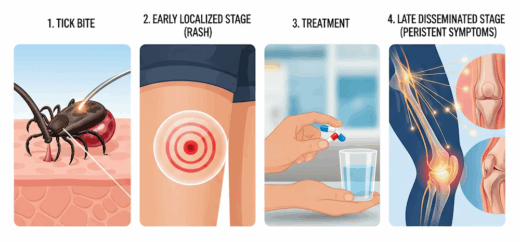
Everyone has heard of Lyme disease and how you can get it from a tick bite.  However,  it is becoming more common. The main problem is that the symptoms aren’t always easy to spot!  Lyme is rarely fatal, and most people will recover if treated quickly with antibiotics today.  So why does it not get diagnosed soon after the bite?  It’s the bullseye rash.  Everybody thinks that if you do not have the bull eye rash, then you are ok. ...

nonstick cookware, fast-food wrappers and pizza boxes, and dental floss as well as water resistant clothing

Healthy Body Herald #5 – Extreme Heat Risk, Xylitol, PFAS, Vitamin B12 and more

Healthy Body Herald…knowledge is power  #5 Table of Contents : How to Stay Safe in Extreme Heat Artificial sweetener linked to heart disease: Xylitol is a common low-calorie sweetener used in gums, candies, and oral care products. 10 medications older adults should avoid or use with caution.   This information is from the American Geriatrics Society Health in Aging Foundation  PFAS – more news about the health problems presented by these “forever chemicals” that are ever present in so many products –...