
New, Implanted Device Could Offer a Long-Elusive, Drug-Free Treatment for Rheumatoid Arthritis
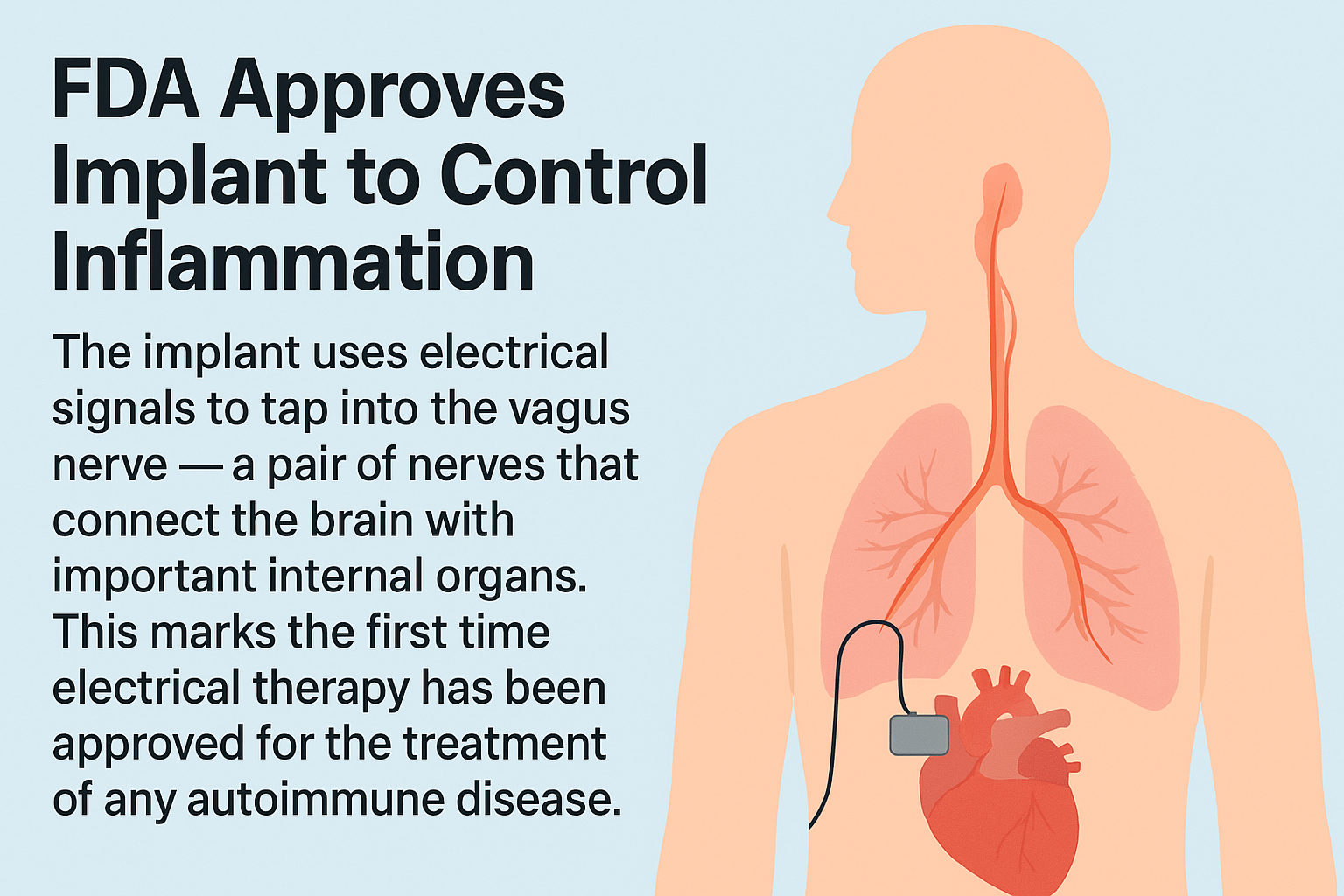
The FDA just approved the SetPoint System, which electrically stimulates the vagus nerve to control inflammation from the chronic disease.
For years, rheumatoid arthritis (RA)—an autoimmune disease that causes inflammation—has often been resistant to treatment. About 1.5 million Americans have the chronic condition, which commonly leads to joint stiffness and pain. So far, to treat the disease, patients have been forced to rely on expensive immunosuppressant drugs that leave them at a higher risk for infections.
In late July, the United States Food and Drug Administration approved an implant that uses electrical signals to control inflammation by tapping into the vagus nerve—a pair of nerves that connect the brain with important internal organs. The move marks the first time an electrical therapy has been approved for the treatment of any autoimmune disease, reports New Scientist’s Grace Wade.
Now, after decades of deeper research, a team of scientists has finalized the SetPoint System: a chip about an inch long that’s surgically implanted into a patient’s neck, where it electrically stimulates the vagus nerve for one minute each day. A SetPoint spokeswoman tells the New York Times that the device will cost less than a year’s worth of some current RA treatments, and it can last a patient up to ten years.
By stimulating the vagus nerve, the implant can “control inflammation at its source, offering a safer, more effective treatment without the need to suppress the immune system,” Tracey says in a statement—a radical shift from traditional RA treatments.




Recent Comments